Introduction: Understanding the Spirit of World AIDS Day
Every year on December 1, people all over the world come together to commemorate World AIDS Day, which is dedicated to increasing awareness about HIV/AIDS, supporting individuals living with the virus, and remembering those who have died as a result of AIDS-related illnesses. While medical advances have increased treatment options and life expectancy, the struggle against HIV is far from over. Stigma, social taboos, and disparities in access to medical care continue to create challenges that the world must overcome together.
World AIDS Day 2025 addresses these issues while renewing the global resolve to eliminating AIDS as a threat to public health by 2030.
History: How World AIDS Day Began
World AIDS Day is the first international health day, established in 1988. It was founded by the World Health Organization (WHO) and the United Nations, who saw the critical need to raise awareness about the HIV epidemic at a time when misinformation and fear were prevalent.
Between 1988 and 2004, UNAIDS was a key player in organizing global awareness efforts. After 2004, the World AIDS Campaign’s Global Steering Committee took up the task of selecting the subject and organizing communication, working with community groups, healthcare organizations, and governments around the world.
Since its establishment, the day has served not only as a reminder of the global fight against HIV/AIDS, but also as a forum for solidarity, education, and policy advocacy.
Significance: Why World AIDS Day Still Matters in 2025
Despite considerable progress in HIV education, prevention, and treatment, many obstacles remain. Stigma, prejudice, and societal silence still accompany HIV, preventing many people from seeking help or receiving treatment.
Key Reasons for Its Continued Importance
- Awareness and Education: Many people still lack accurate information about HIV transmission and prevention.
- Fighting Stigma: Misconceptions and prejudice create barriers for individuals living with HIV.
- Healthcare Access: Millions worldwide still struggle to access testing, antiretroviral therapy (ART), and support services.
- Human Rights: The day highlights the need for equal treatment, dignity, and respect for those living with HIV.
- Remembrance: World AIDS Day honours the memory of those who lost their lives to AIDS-related complications.
The observance serves as a striking awareness that the HIV response is not only medical, but also highly social, emotional, and human.
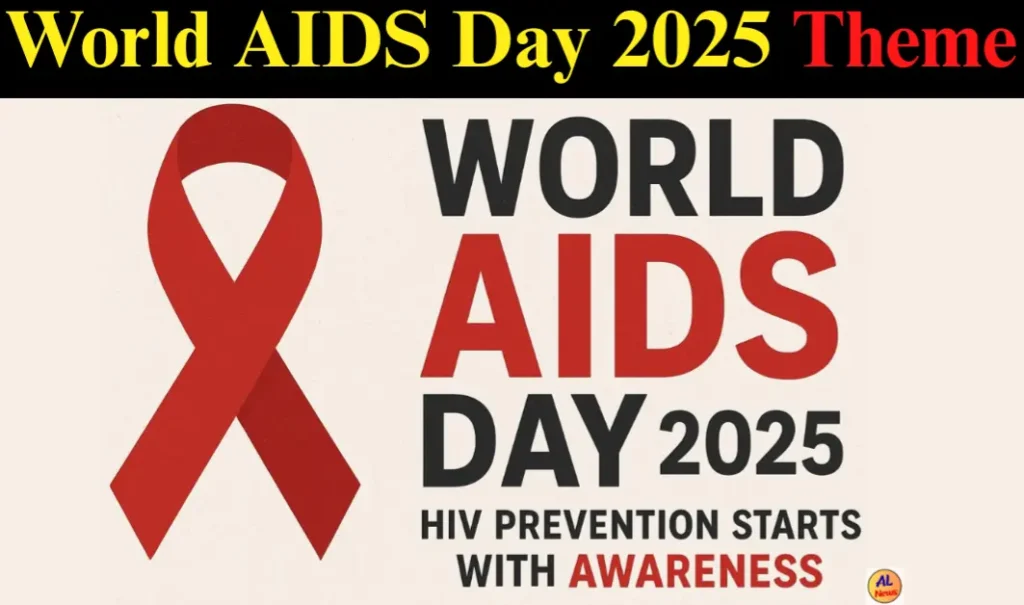
World AIDS Day 2025 Theme: “Overcoming Disruption, Transforming the AIDS Response”
This year’s global theme focuses on the urgent need to rebuild, reinforce, and transform the world’s HIV/AIDS response systems. The theme highlights three major concerns:
- Rising Global Disruptions: A recent United Nations research warns that the globe may face a major financing problem by 2025. Many HIV prevention initiatives are underfunded, putting community-based services – the foundation of outreach efforts – at risk.
- Supporting Vulnerable Populations: Financial restrictions, conflict zones, and political policies are causing deprioritization of services for high-risk and marginalized groups. These disruptions disproportionately impact:
- LGBTQ+ communities
- Youth and adolescents
- Drug users
- People without access to healthcare systems
- Communities with strict social taboos around HIV
- Human-Rights-Based Approach: The topic emphasizes human rights, equality, and social protection. Punitive laws on s*xual orientation, gender identity, and drug use continue to stymie development and drive HIV-risk populations to quiet and dread.
Challenges Highlighted in 2025
Despite decades of progress, the fight against AIDS faces new and evolving challenges:
- Funding Cuts: Budget cuts at the global and national levels jeopardize the future of critical HIV prevention and treatment services.
- Disruption of HIV Services: Conflicts, economic insecurity, and public health problems have disrupted testing, counseling, ART distribution, and community outreach activities in numerous nations.
- Stigma and Criminalisation: Punitive laws that criminalize same-s*x partnerships, drug use, and gender expression make it more difficult for vulnerable people to seek medical help.
- Social Isolation and Mental Health: People living with HIV frequently experience loneliness and mental health issues as a result of societal rejection, making emotional care equally crucial as medical therapy.
Why Community-Led Services Are Essential
Community organisations have long played an important role in the global AIDS campaign. They assist those who feel uncomfortable or unwelcome in traditional healthcare systems.
According to the UN report:
- Community-led services are critical in reaching marginalised groups.
- Yet, these services are among the first to face funding cuts.
- Without them, millions of at-risk individuals may lose essential support.
To transform the AIDS response, communities need to be empowered – not sidelined.
A Global Commitment to End AIDS by 2030
World AIDS Day 2025 reinforces the world’s collective promise: to end AIDS as a public health threat by 2030.
Achieving this requires:
- Stronger international cooperation
- Consistent funding
- Removing discriminatory laws
- Expanding universal healthcare
- Combating stigma and misinformation
Technology, medical advancements, and awareness campaigns are bringing the globe closer to this objective, but further effort is required.
Conclusion: A Call for Hope, Support, and Action
World AIDS Day 2025 is more than just a day of awareness; it’s a reminder of our shared obligation. Individuals, communities, countries, and global institutions must all work together to end AIDS through compassion, education, and commitment.
As the theme implies, the world must overcome present obstacles to create a more inclusive, human-rights-driven AIDS response. By encouraging one another, combating stigma, and assuring everyone has a chance for healthcare, the world will move closer to an AIDS-free future.
Also Read: 5.5-Magnitude Earthquake Near Dhaka Triggers Tremors Across Kolkata and Northeast India